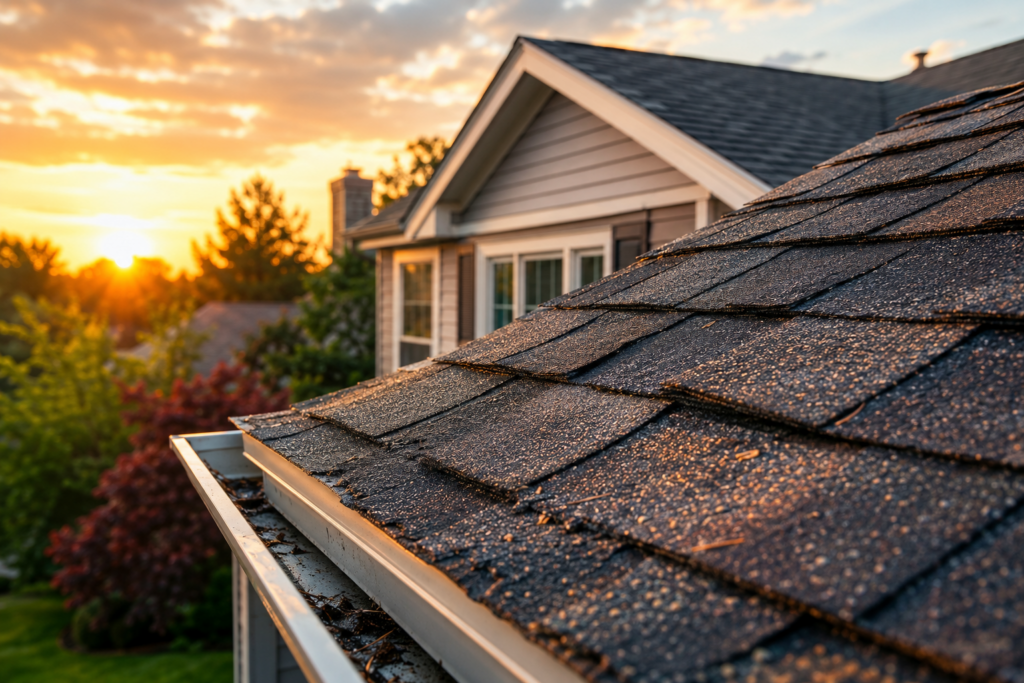
How to Assess Your Roof’s Condition and Why It Matters to Home Value
Your roof is one of the most important components of your home. It protects everything beneath it, influences curb appeal, affects insurance costs, and can impact a home’s market value. While a roof may appear fine from the ground, aging materials and hidden wear can reduce its effectiveness long before leaks become obvious.
How Can a Homeowner Assess Roof Condition?
While a professional inspection is always recommended if concerns exist, homeowners can look for several common signs of roof aging.
1. Check the Roof’s Age
The first step is determining when the roof was installed.
Typical lifespans include:
| Roof Type | Typical Life Expectancy |
|---|---|
| 3-Tab Asphalt Shingles | 15–20 Years |
| Architectural Shingles | 20–30 Years |
| Metal Roofing | 40–70 Years |
| Slate or Tile | 50+ Years |
Actual life expectancy depends on weather exposure, installation quality, ventilation, and maintenance.
2. Look for Missing or Damaged Shingles
From the ground, check for:
- Missing shingles
- Curling edges
- Cracked shingles
- Uneven roof surfaces
- Areas with visible repairs
These may indicate the roof is nearing the end of its service life.
3. Check for Granule Loss
If asphalt shingles are shedding excessive granules into gutters or downspouts, the roof may be deteriorating.
Granules protect shingles from UV damage and weather exposure.
4. Inspect the Attic
Inside the attic, look for:
- Water stains
- Damp insulation
- Mold growth
- Visible daylight through the roof deck
These may indicate active roof issues requiring immediate attention.
5. Examine Flashing and Roof Penetrations
Areas around:
- Chimneys
- Plumbing vents
- Skylights
- Roof valleys
are often the first places where leaks develop.
What Should Homeowners Do If Problems Are Found?
Minor issues may be addressed through maintenance or localized repairs.
Examples include:
- Replacing damaged shingles
- Repairing flashing
- Cleaning gutters
- Improving attic ventilation
However, widespread deterioration or advanced age may make replacement more cost-effective than repeated repairs.
A qualified roofing contractor can help determine whether repair or replacement is the better option.
How Does Roof Condition Affect Home Value?
Roof condition is often considered by buyers, lenders, insurers, and appraisers.
Buyer Perception
A newer roof can:
- Improve buyer confidence
- Reduce concerns about future expenses
- Increase marketability
An aging roof may cause buyers to:
- Request concessions
- Reduce offers
- Choose competing properties
Appraisal Considerations
A roof rarely contributes dollar-for-dollar replacement cost to market value.
For example, a $15,000 roof replacement does not automatically increase value by $15,000.
However, roof condition can influence:
- Overall property condition ratings
- Marketability
- Competitive position compared to similar homes
A home with a recently replaced roof often competes more favorably than similar homes requiring near-term replacement.
Insurance and Financing
Some insurance carriers may:
- Increase premiums
- Require inspections
- Limit coverage on older roofs
Certain loan programs may also require roof deficiencies to be addressed before closing.
The Bottom Line
Many homeowners do not think about their roof until a leak appears. However, understanding your roof’s age and condition can help you plan maintenance, avoid costly surprises, and maintain your home’s marketability.
Even if a roof is not leaking today, age alone may indicate that replacement planning should begin.
Curious About Your Home’s Other Major Components?
The Home Age Update Guide helps homeowners identify which major home systems may still be within their expected life span and which may be approaching replacement based on the age of the home. It is a quick way to better understand the long-term maintenance picture of your property.